

Few topics create more questions for parents than childhood growth. If a child is noticeably shorter than classmates or isn’t growing as expected, it’s understandable to wonder whether there is an underlying medical reason. Growth hormone therapy is often mentioned during these conversations, but many families are unsure what it actually involves or who may benefit from it.
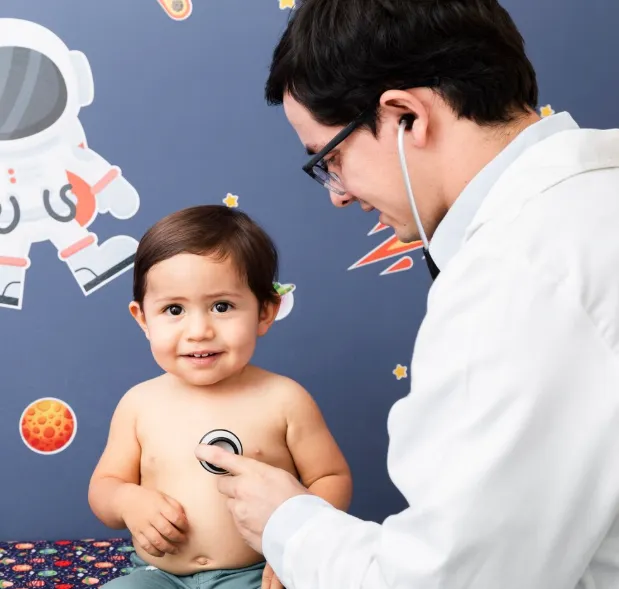
Understanding the purpose of treatment and the evaluation process can help parents make informed decisions if growth concerns arise.
Not Every Child Who Is Short Needs Growth Hormone
One of the most common misconceptions is that growth hormone therapy is recommended simply because a child is shorter than average. In reality, physicians evaluate much more than height before discussing treatment.
A comprehensive assessment typically includes:
-
Growth velocity over several years
-
Height and weight trends
-
Family growth history
-
Bone age imaging
-
Laboratory testing
-
Physical examination
-
Pubertal development
This information helps determine whether slow growth is part of a normal developmental pattern or the result of an underlying medical condition.
Medical Conditions That May Affect Growth
Several health conditions can interfere with normal childhood growth.
Examples include:
-
Growth hormone deficiency
-
Turner syndrome
-
Children born small for gestational age who do not experience adequate catch-up growth
-
Chronic kidney disease
-
Certain genetic syndromes
-
Other endocrine disorders
Identifying the underlying diagnosis is an essential step before considering any form of treatment.
Understanding Hgh for kids
Parents researching Hgh for kids are often surprised to learn how individualized treatment decisions are. Pediatric endocrinologists consider a child’s annual growth rate, hormone testing, bone age, predicted adult height, and overall medical history before determining whether therapy is appropriate.
Children receiving treatment are monitored closely throughout the process with regular follow-up visits to assess growth, review laboratory results when necessary, and ensure treatment continues to meet the child’s medical needs.
The objective is always to support healthy development—not simply to increase height.
Can Teenagers Still Benefit?
Growth concerns don’t always become apparent during early childhood. Some families first begin asking questions during adolescence.
When learning about Hgh for teens, it is important to understand that remaining growth potential is one of the biggest factors influencing treatment decisions. Physicians evaluate skeletal maturity, stage of puberty, and whether growth plates remain open before recommending therapy.
Because these factors vary from one teenager to another, individualized evaluation is essential.
A Common Question: Cost
Once treatment is discussed, families often begin thinking about affordability.
One of the most frequently asked questions is How much do growth hormones cost. The answer depends on several factors, including the specific medication prescribed, insurance benefits, treatment duration, pharmacy pricing, and available manufacturer assistance programs.
Discussing financial considerations early allows families to better understand potential costs and explore available coverage options before beginning therapy.
Why Timing Matters
Childhood growth occurs during a limited period of development. As puberty progresses, the growth plates gradually mature until additional natural height gain is no longer possible.
For this reason, healthcare providers generally encourage parents not to postpone evaluation when concerns about growth persist. Early assessment allows physicians to identify underlying medical conditions sooner and determine whether observation or treatment may be appropriate while growth potential remains.
Even when no therapy is recommended, families often benefit from gaining a clearer understanding of their child’s growth pattern.
Final Thoughts
Every child follows a unique path of growth and development. While many children simply grow according to their own natural timeline, others may have medical conditions that deserve further evaluation.
Routine pediatric visits, consistent monitoring of growth, and open communication with qualified healthcare professionals remain the best approach to supporting healthy development. By asking questions early and seeking expert guidance when concerns arise, families can make confident decisions that help children reach their natural growth potential.