

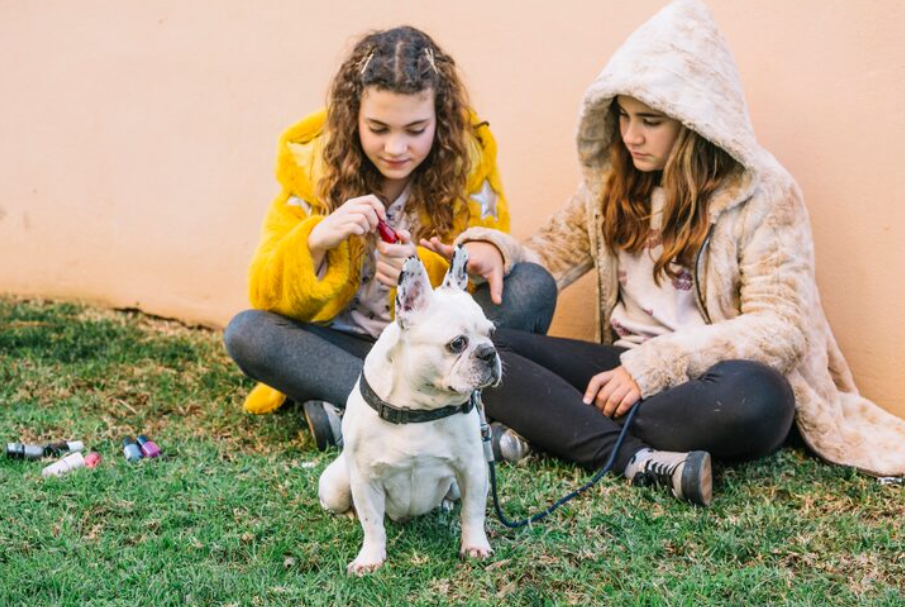
People often assume every French Bulldog behaves exactly the same because the breed looks consistently adorable everywhere. A realistic Frenchie for adoption search should focus on personality compatibility instead of appearance alone during selection. Some bulldogs remain playful and energetic, while others prefer quiet indoor relaxation most days. Individual temperament matters greatly when matching dogs with different household lifestyles.
Adoption applications usually require detailed personal information
Rescue organisations frequently ask questions regarding schedules, pets, fencing, and veterinary history before approving placements officially. Careful French bulldog adoption preparation includes answering honestly instead of rushing through application forms casually online. Rescues want stable homes capable of handling medical and emotional responsibilities responsibly over time. Incomplete information sometimes delays approval decisions unnecessarily for interested adopters.
Socialisation Helps Rescue Bulldogs Build Confidence Slowly
New rescue dogs occasionally feel nervous around strangers, loud traffic, or unfamiliar pets during adjustment periods indoors. A thoughtful Frenchie for adoption routine should include calm social experiences without overwhelming the dog emotionally afterward. Controlled introductions often improve confidence while reducing fearful reactions in unfamiliar settings gradually. Patience usually works better than forcing uncomfortable interactions repeatedly.
Healthy Weight Management Supports Better Breathing Conditions
French Bulldogs can gain weight quickly, especially when owners rely heavily on treats and limited activity indoors. Responsible French Bulldog adoption planning should include portion control and moderate exercise throughout each week consistently. Extra weight sometimes worsens breathing pressure and joint discomfort significantly during ageing years later. Veterinarians often recommend maintaining lean body conditions for long-term comfort.
Rescue Support Networks Can Help During Difficult Adjustments
Many adopters feel overwhelmed initially because rescue bulldogs sometimes require slower emotional adjustment periods after relocation happens. Good Frenchie adoption organisations usually provide guidance regarding feeding, training, and transition concerns afterward. Staying connected with rescue volunteers can reduce confusion during challenging situations considerably over time. Support systems often improve adoption stability for both families and dogs.
Patience Usually Creates Better Long-Term Adoption Results
French Bulldogs often struggle to adjust during the first few days inside completely unfamiliar household environments after rescue. Every successful French bulldog adoption experience depends heavily on consistency, patience, and realistic expectations from owners daily. Small behavioural improvements often appear gradually instead of immediately after adoption finishes completely. Calm environments usually help rescue bulldogs settle into routines more comfortably.
Conclusion
French Bulldog rescue experiences often improve when adopters prepare carefully and remain flexible during adjustment periods afterward. Rescuefrenchbulldogs.org shares practical adoption information for families researching bulldog care, rescue standards, and healthy home preparation today. Responsible adoption involves steady commitment instead of emotional impulse or temporary excitement surrounding adorable appearances online. Reach out to trusted rescue groups, ask thoughtful questions, and create a supportive environment before adopting any bulldog.